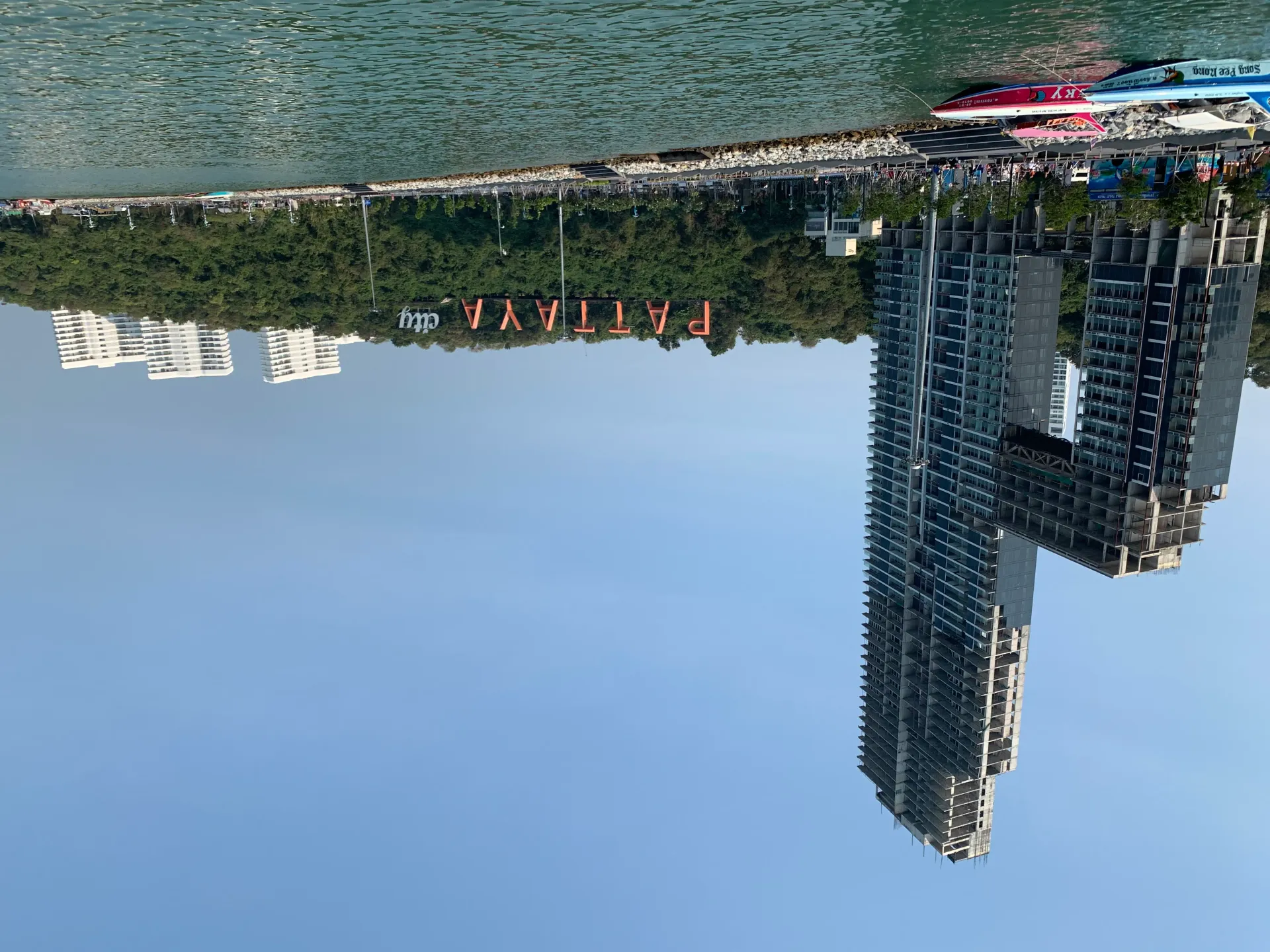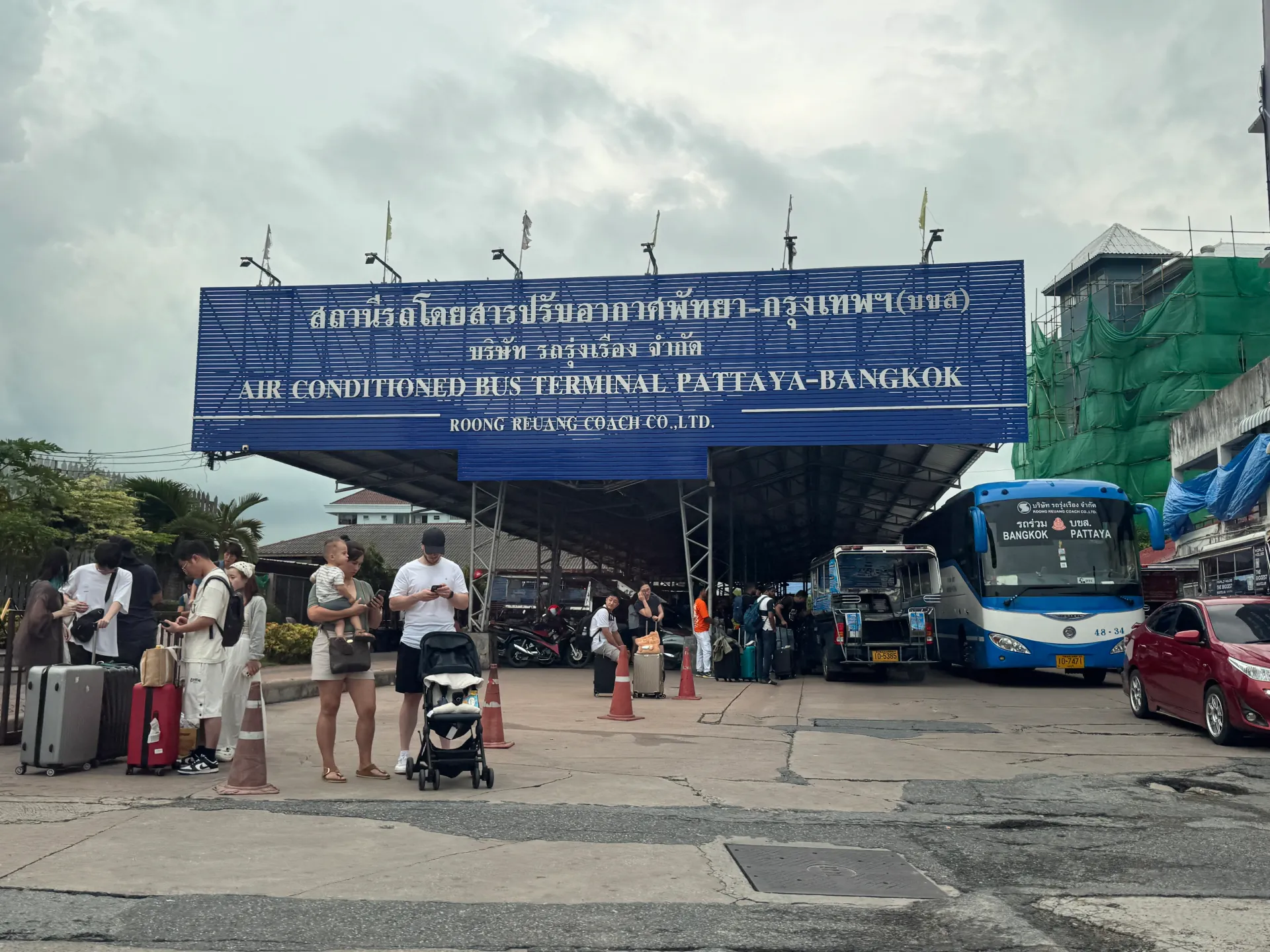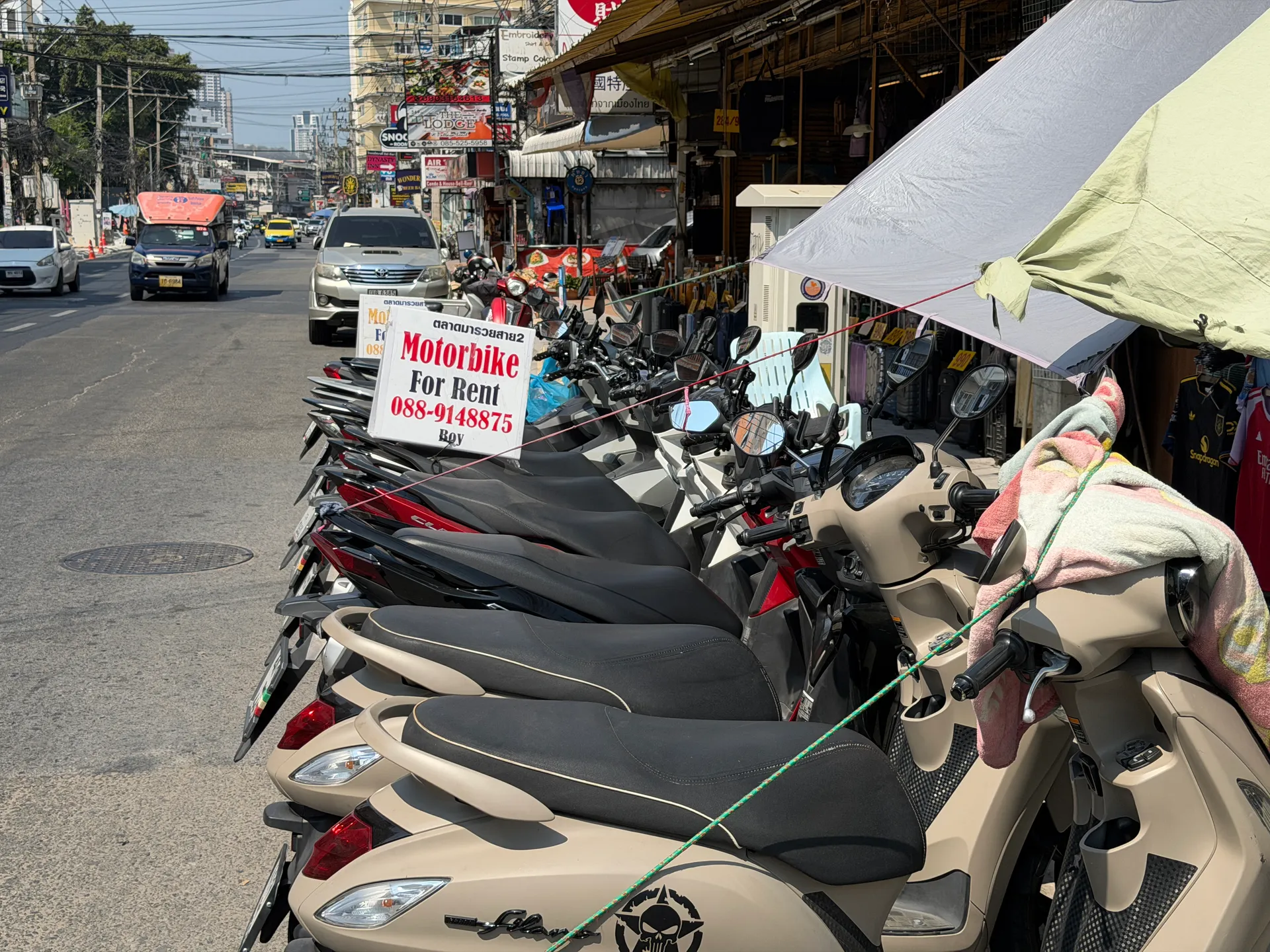
Renting a scooter is one of the best ways to explore Pattaya on your own terms. It gives you the freedom to move between beaches, restaurants, and neighborhoods without relying on baht buses or negotiating with taxi drivers. But there are real risks and a few things you need to know before you twist the throttle.
Why Rent a Scooter
Pattaya is spread out. Walking Street to Jomtien Beach is about 5 kilometers. Central Pattaya to Naklua is another 4 kilometers north. Public transport is limited to baht buses running fixed routes along Beach Road and Second Road, and Grab rides add up fast if you are moving around several times a day.
A scooter costs as little as 200 THB per day and lets you get anywhere in the city within 10 to 15 minutes. It is especially useful for reaching spots outside the main tourist strip, like Pratumnak Hill, East Pattaya restaurants, or day trips to nearby attractions.
Popular Models and Prices
Rental shops in Pattaya stock a range of scooters and motorbikes. Here are the most common options.
Honda Click 125
The workhorse of Pattaya rentals. It is light, easy to handle, and has enough power for city riding. Automatic transmission means no gears to worry about. This is the best choice for most visitors, especially if you are not an experienced rider.
Price: 200 to 300 THB per day, 2,500 to 4,000 THB per month.
Honda PCX 150
A step up from the Click with more power, better suspension, and a more comfortable seat for longer rides. The PCX handles highway speeds better if you plan to ride to nearby towns like Na Jomtien or Bang Saray.
Price: 300 to 500 THB per day, 4,000 to 6,000 THB per month.
Honda Forza 350
The premium option for experienced riders who want a larger, more powerful bike. The Forza is comfortable for long rides and has enough storage under the seat for a full-size helmet. It is overkill for short city trips but excellent if you want to explore further afield.
Price: 500 to 800 THB per day, 7,000 to 10,000 THB per month.
Older Bikes and Budget Options
Some shops rent older Honda Wave 110 semi-automatics or beat-up Scoopy models for as low as 150 THB per day. These are fine for short trips around town, but inspect them carefully before renting. Check the brakes, tires, and lights.
Where to Rent
Rental shops are everywhere in Pattaya. You will find them on Second Road, Beach Road, Soi Buakhao, and scattered throughout Jomtien. There is no shortage of options.
Established shops with a physical storefront and a fleet of well-maintained bikes are always preferable to someone renting a single bike from their apartment. Look for shops that have been around for a while, display clear pricing, and do not pressure you into taking a specific bike.
Some of the more reputable rental operations are found along Second Road between Soi 1 and Soi 10, as well as in the Jomtien area near Dongtan Beach.
Booking ahead: BikesBooking aggregates local rental shops and lets you reserve a specific model before you arrive. Useful in high season, when the good bikes go early. The trade-off is that you commit without seeing the bike, and inspecting it yourself is the single best defence against the deposit scams further down this page. Walking into an established shop remains our default.
License Requirements
Technically, you need a valid motorbike license from your home country plus an International Driving Permit (IDP) to legally ride in Thailand. The IDP must specifically include a motorcycle endorsement.
In practice, police in Pattaya run occasional checkpoints, especially on Sukhumvit Road and the main roads connecting to Jomtien. If you are stopped without a proper license, the fine is typically 500 THB. It is a minor fine, but the bigger issue is insurance.
Without a valid license, your travel insurance almost certainly will not cover you in an accident. This is the single most important thing to understand about riding in Pattaya. Hospital bills from a serious motorcycle accident can run into hundreds of thousands of baht. Get an IDP before you travel. They cost around 15 to 20 USD in most countries and take minutes to obtain.
Insurance
Most rental shops do not provide insurance. Your rental agreement, if one even exists, typically states that you are responsible for any damage to the bike.
Your options for coverage are:
- Travel insurance from home that covers motorbike use. Check the fine print, as many policies exclude motorcycles over 125cc or require a valid license.
- Thai voluntary motor insurance is available but rarely offered by rental shops.
- Credit card travel insurance sometimes covers rental vehicles but almost never covers motorbikes in Southeast Asia.
The safest approach is to carry proper travel insurance with motorbike coverage and a valid IDP before you ride.
Por Ror Bor — the compulsory cover you probably already have
Every registered vehicle in Thailand carries Por Ror Bor (พ.ร.บ.), compulsory insurance under the Road Accident Victims Protection Act. If you rent, the bike has it.
What it does and does not do is worth knowing before you need it:
- It covers injury to people only — not your bike, not the other party’s bike, not theft.
- 30,000 THB of medical cover if the accident was your fault; 80,000 THB if it was not, and up to 500,000 THB for death or permanent disability.
- Treatment can start before the paperwork is complete. Documents can follow.
Thirty thousand baht goes further in a Thai hospital than the number suggests — it covers an emergency visit, X-rays and a splint comfortably. It does not cover surgery or a long admission, which is what your own policy is for.
What to Do After an Accident
A reader in our Facebook group came off his bike in Pattaya recently and wrote up how it went. The sequence is worth knowing before you need it, because the order matters.
1. Check on the other person first. Before the bike, before the photos.
2. Move the bikes off the road. Then photograph the scene if you can.
3. Call your insurer. If you have Thai motor cover, an assessor comes to the scene — in his case within about 25 minutes of the call. They handle the exchange with the other party and arrange recovery of the bike to an approved workshop. This is the part that surprises people used to European procedure.
4. Go to the police before the hospital. This is the step people skip and then cannot undo. You need the police report to claim on Por Ror Bor for the medical costs. Reporting a road accident does not carry a fine or licence points in Thailand the way it might at home, so there is no reason to avoid it.
5. Then the hospital. Bangkok Hospital Pattaya registers your insurance at check-in, and where Por Ror Bor covers the treatment there is nothing to settle at the desk. Our healthcare guide covers what a visit there is actually like, including the interpreter service.
The thing to take from this: the system works, and it works fastest for people who have Thai motor cover and go to the police first. Riding uninsured on a foreign licence and skipping the report is how the same accident turns into a much worse week.
Helmet Law
Helmets are mandatory in Thailand. The fine for riding without a helmet is 500 THB, and police checkpoints specifically look for this. More importantly, head injuries are the leading cause of death in Thai motorcycle accidents. Always wear a helmet, even for short trips.
Most rental shops provide a helmet with the bike, but the quality varies. If the helmet feels flimsy or does not fit properly, consider buying your own at a Big C or Tesco Lotus for 300 to 600 THB. It is a small investment for serious protection.
Fuel Costs
Filling up a Honda Click 125 from empty costs about 80 to 100 THB. A full tank gets you roughly 200 to 250 kilometers of riding, which is easily a week of city use for most visitors.
Petrol stations are common along Sukhumvit Road and the main roads. In more central areas, you will also see roadside vendors selling gasoline in glass bottles for around 40 THB per liter. These are convenient but slightly more expensive than station prices.
Parking
Parking a scooter in Pattaya is generally easy. Most businesses, restaurants, and malls have free motorbike parking areas. Central Festival, Terminal 21, and other malls have dedicated covered motorbike parking.
Learn the kerb colours before you park on the street. They are the actual rule, and they are enforced:
- Red and white — no parking and no stopping, not even briefly. This is the one that gets bikes towed.
- Yellow and white — you may stop to drop someone off, but not park.
- Black and white — parking allowed.
Beach Road is being policed hard now. Enforcement there has tightened considerably and motorbikes left on red-and-white kerbs are towed rather than warned. Fines start around 500 THB and climb once storage fees are added, and retrieving the bike costs you most of a day. Walking Street has long had the same problem.
Away from marked kerbs the practical rule still holds: park where other bikes are already parked, never block a footpath, and check for signs — local rules override the kerb colour, particularly near markets and temples.
Safety Tips
Pattaya traffic is chaotic by Western standards. Here are the essential rules for staying safe.
- Ride defensively. Assume every other driver will do something unexpected, because they will. Cars pull out without looking, trucks stop in the middle of the road, and other scooters weave in all directions.
- Avoid riding at night if possible. Visibility is poor, drunk drivers are common after 22:00, and road hazards like potholes and loose gravel are harder to spot.
- Stay left. Thailand drives on the left side of the road. It takes a few minutes to adjust if you are used to right-hand traffic.
- Watch for sand and water on the road. Especially around corners and near construction sites. These cause the majority of low-speed crashes.
- Do not drink and ride. This sounds obvious, but it is the leading cause of serious tourist injuries in Pattaya.
- Lock the steering column and use a disc lock if you have one, especially overnight. Bike theft is not rampant but it does happen.
Common Scams to Avoid
Passport as deposit. Never hand over your passport. A reputable shop will accept a photocopy or a cash deposit of 2,000 to 5,000 THB. If they insist on your passport, walk away and find another shop.
Pre-existing damage claims. Before you take the bike, photograph every scratch, dent, and mark from multiple angles. Send the photos to yourself so they are timestamped. When you return the bike, some shops will claim damage you did not cause.
Overcharging for scratches. Minor cosmetic scratches should cost a few hundred baht to fix at most. If a shop demands thousands of baht for a small scratch, negotiate firmly or contact the tourist police at 1155.
Fuel scam. Some shops hand you a bike with a nearly empty tank and expect it back full, effectively charging you for a full tank. Check the fuel level when you pick up and note it in any paperwork.
For a broader overview of getting around the city including baht buses, Grab, and motorbike taxis, see our first-time Pattaya guide.
Related Guides
Car Rental in Pattaya
There’s no Sixt, Hertz, or Europcar in Pattaya. Car rental works differently here — it’s mostly local operators and street-level rental shops.
Prices (Daily Rates)
| Vehicle | Price/Day |
|---|---|
| Small car (Toyota Yaris, Honda City) | 1,000 THB |
| Mid-size car (Toyota Corolla) | 1,200 THB |
| SUV / Pickup | 1,500 THB |
| Minivan | 1,500 THB |
Weekly and monthly rates are significantly cheaper — expect 30-40% discount for weekly rental.
Scooter/Motorbike Rental Prices
| Vehicle | Price/Day |
|---|---|
| Honda Click 125 (automatic) | 400 THB |
| Honda PCX 150 (automatic) | 500 THB |
| Honda Forza 350 | 600 THB |
Where to Rent
Local rental shops are everywhere along Second Road and Beach Road. You’ll see signs like the ones pictured above. For cars, several larger operators are on Second Road near Central Festival.
What You Need
- Passport (some shops take a copy, others want the original — avoid leaving your passport)
- International Driving Permit (IDP) — technically required, rarely checked for scooters but essential for cars
- Deposit: 2,000-5,000 THB cash or a passport (try to avoid leaving your passport)
- Thai driving license is not required for tourists with an IDP
Insurance
Most local car rentals include basic insurance, but the excess can be high (30,000-50,000 THB). Ask specifically about:
- CDW (Collision Damage Waiver)
- Third-party liability
- What happens in case of an accident
For scooters, insurance is almost never included. Your travel insurance may cover motorbike injuries — check before you ride.
Tips
- Photograph everything before you drive off — scratches, dents, mileage
- Check brakes and lights before accepting any vehicle
- Fuel: Most scooters are returned full. Cars vary — ask
- Drive on the LEFT in Thailand
- Helmet is mandatory — 500 THB fine without one
- Avoid leaving your passport as deposit. Offer cash or a photocopy instead
Some links on this page are affiliate links. If you book through them we earn a small commission at no extra cost to you, and it never affects what we recommend — see our affiliate disclosure.
Pattaya.love Editorial Team
Local Experts since 2019
Our team of Pattaya-based writers, photographers, and long-term residents researches every guide on the ground. We visit venues, test routes, and verify every recommendation so you get actionable, up-to-date information you can trust.